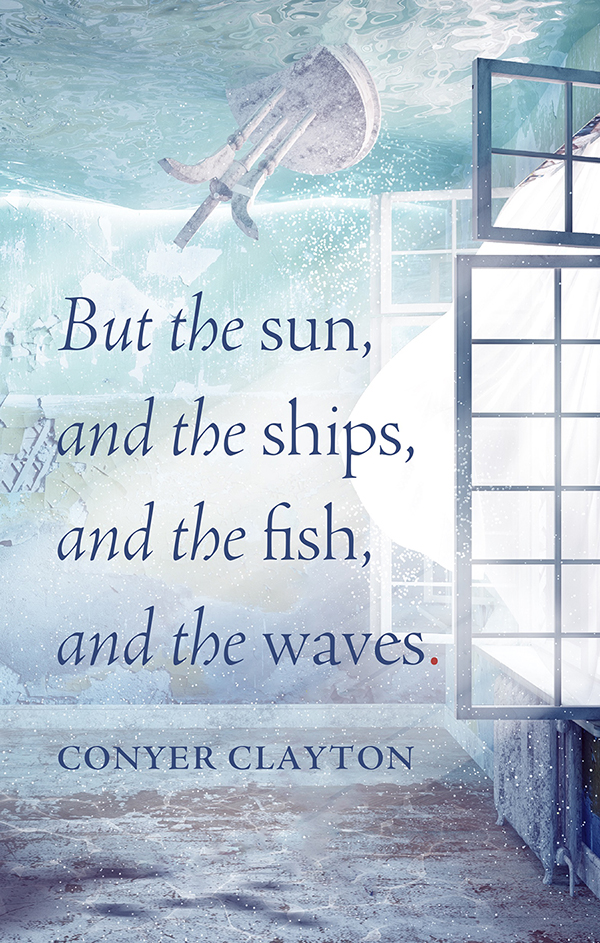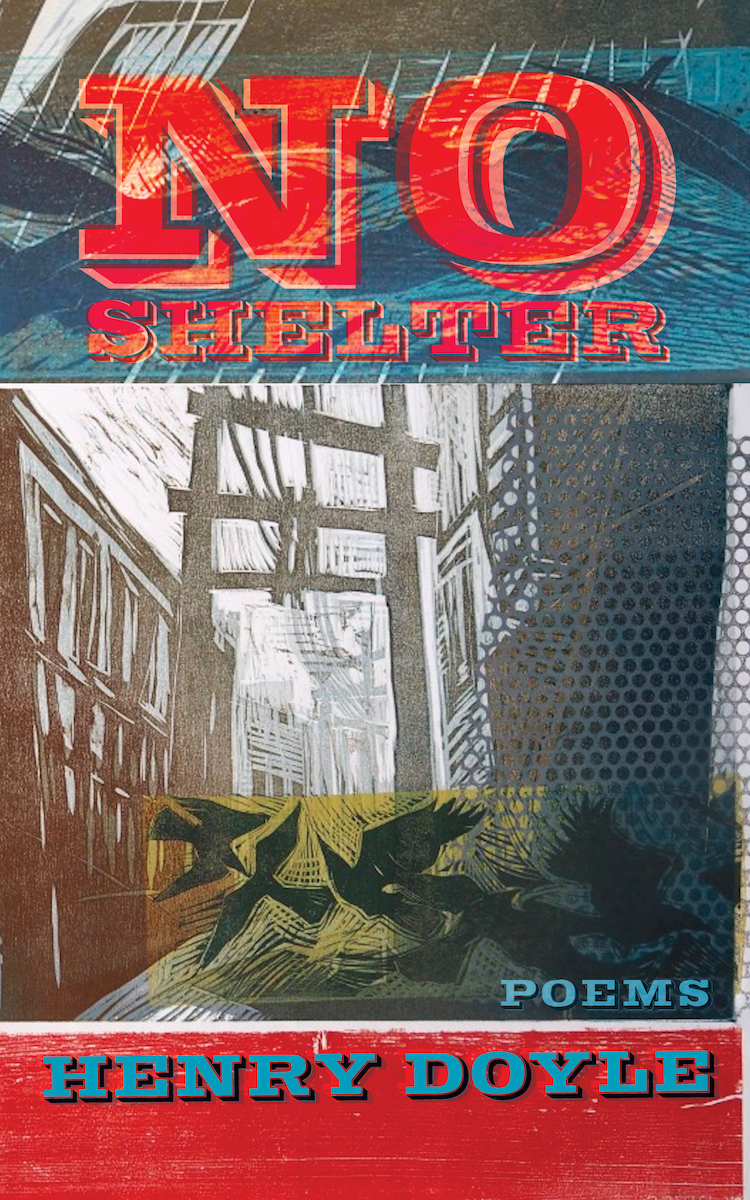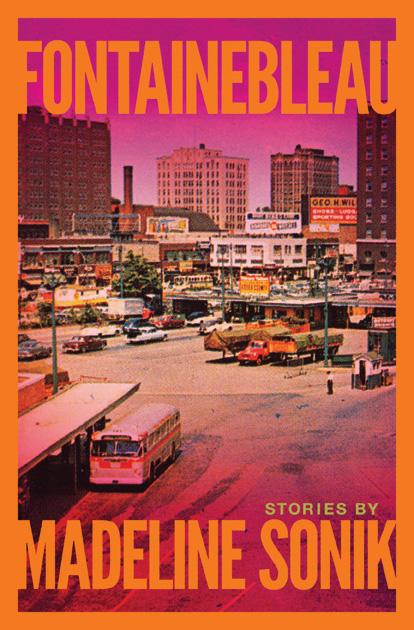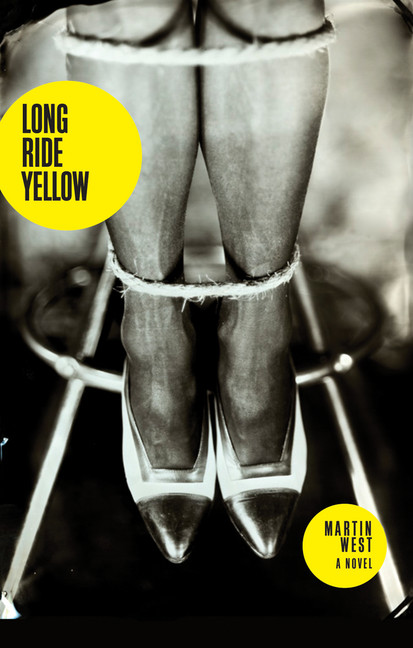

Finalist for the Trillium Book Award
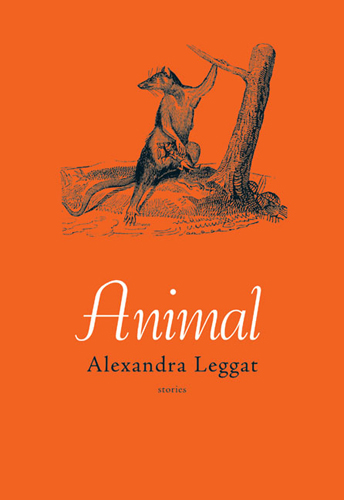
In a style reminiscent of Raymond Carver, the stories contained in Animal depict people on the brink of major life change. They stand at crossroads they are often oblivious to; they suck thick air in rooms filled with palpable tension. Leggat’s characters often seem captured in a cinematic slo-mo, teetering on the edge of something unknown, heroically resisting the ever-present pull of Fate. It matters little whether the characters take action or refuse to act; life acts for them. The reader is left to wonder: When does “meaning” cease to have meaning? Like travelling a mountain highway at night, what’s just around the next bend is never known. The stories in Animal never fail to deliver potent surprises.
———
“I’m tempted to say it’s a slim, distilled masterpiece.”
– Michael Bryson, Underground Book Club
“these quickly unfolding stories are elliptically drawn, tense with action and dark humour. Leggat is a shape-shifting writer”
– Ibi Kaslik, The Globe and Mail
“this immensely rewarding collection is worth picking up”
– eye weekly

These stories deal with sex, love, work, birth, and death in alternately moving, shocking, funny, and at times devastating ways. Whether these characters are facing the death of a parent, bad love choices, the possibility of unwanted pregnancy, the rupture of friendships, teen violence, or the exploration of sado-masochistic sex, Farrell exposes their ticking cores and pulls the reader along every step of the way.
Read More
In Greek mythology the Muses preside over the arts and inspire writers and artists to produce works of genius. In Frenzy, Catherine Owen pays homage to the muse in a six-part compilation of muse-quests, some the author’s, some those of others. These muses can be a person, a place, or even the absurdity itself of indefinitely seeking the muse.
Read More
With its accessible style, this collection should appeal to a broad readership. Anyone who’s tried to write a poem about an object will be able to relate to the impossibility (and undesirability) of evoking a ‘thing’ outside of their own subjective relation to it. Inventory will be of particular interest to those who are familiar with the long and broad history of object poetry, including works by Francis Ponge, Robert Bly, Zbigniew Herbert, and Jorge Luis Borges.
Read More
PRAISE FOR KASPOIT!
“…Reminds me of Burgess’ A Clockwork Orange in its inventive language and insular
world of violence; also Beckett and Mamet in the lowlife characterizations, back-andforth dialogue, and the sheer absurdity.”
—Myna Wallin, A Thousand Profane Pieces
“…compelling, sickening, and, ultimately, hits what is most likely closest to the truth about what happened there than anything else that’ll get out in the world. Kaspoit! puts me in mind of A Clockwork Orange (the book), for its neologisms and violence/bleakness, and Pulp Fiction (the movie) for the unrelenting violence, so
much so that we become inured to it.”
—Janis Harper, Body Breakdowns
“…there is a well-executed gloom that maybe owes a tip of the hat to Harry Crews or
Flannery O’Connor, or maybe a drunken Hawthorne. The dialogue never grinds or
presents an obstacle—it runs smooth, which is a must considering its importance
to the story. In many ways it is the story.”
—Phillip D. Alexander, The Next Rainy Day